
Celebrating Victory: A Look at China’s 80th Anniversary of Victory Day
September 3rd marks a significant day in history for China and the world. It’s the 80th anniversary of Victory Day, commemorating China’s triumph in the World Anti-Fascist War. This day serves as a powerful reminder of the immense sacrifices made by the Chinese people in their courageous battle against fascism and militarism.
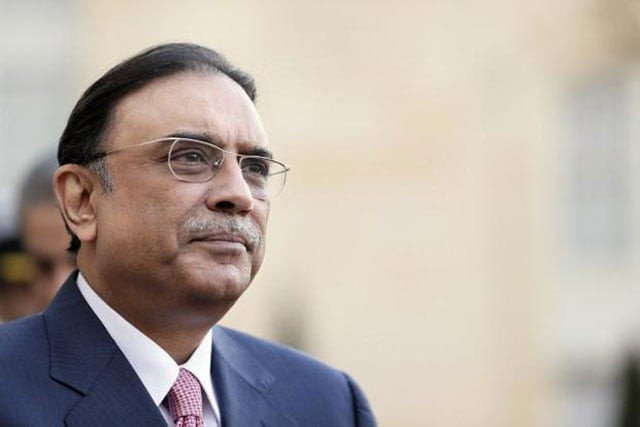
As President Asif Zardari recently highlighted, the observance of this historic day is not just about looking back at the past; it’s an opportunity to reflect on the values we hold dear—resilience, courage, and unity against oppression. China’s journey through adversity demonstrates the profound impact of perseverance and determination.
This anniversary also encourages us to think about global peace and harmony, values that transcend borders. It reminds us that history is often written by those who fight for justice and equality. As we acknowledge this day, it’s essential to honor not just the sacrifices of the past but also the ongoing efforts to promote peace in today’s world.
The essence of these celebrations lies in recognizing the strength of unity. In a time when division can overshadow progress, events like Victory Day remind us of our shared humanity. Each nation has its struggles and triumphs, but together, we can build a future grounded in mutual respect and collaboration.
Whether you’re celebrating this day in China, Pakistan, or elsewhere, take a moment to appreciate the deeper meanings behind such events. They serve as a reminder that while the past shapes us, it’s the future we can influence together.
If you’re looking to explore more about cultural celebrations and their significance, consider connecting with Pro21st. We’re here to share stories that matter and foster a greater understanding of our world. Join us in celebrating the resilience of nations and the shared values that bind us all.
At Pro21st, we believe in sharing updates that matter.
Stay connected for more real conversations, fresh insights, and 21st-century perspectives.