
Understanding the Super Tax Debate: Insights from the Pakistani Supreme Court
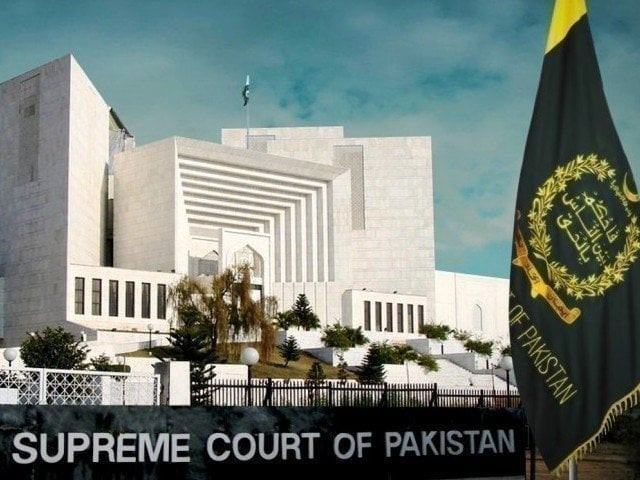
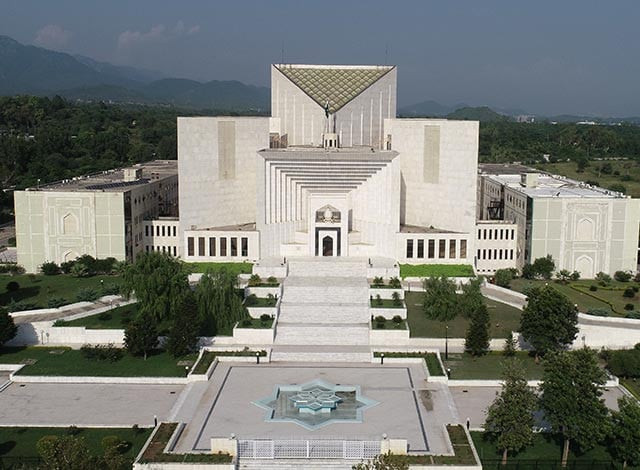
Recently, a significant discussion unfolded in the Supreme Court of Pakistan regarding the super tax and its implications for businesses. With a five-member bench, including Justice Muhammad Ali Mazhar, the justices explored the legality and fairness of this tax, sparking important conversations around taxation practices in the country.
Justice Mazhar pointed out that companies are only obligated to pay what is legally due, reinforcing the notion of fairness in taxation. The session featured arguments from Advocate Farogh Naseem, who represented several companies contesting the super tax. His assertions raised critical questions about whether the tax unfairly impacted businesses that weren’t liable to pay under existing laws.
Interestingly, Justice Mandokhail’s point about discrimination highlights a common concern in tax systems: the need for equitable treatment across all companies. As Justice Mazhar clarified, the super tax operates independently of the final tax regime, which means it is a separate entity with distinct rules. This clarification is crucial for businesses trying to navigate the complexities of taxation without falling into legal traps.
Advocate Aziz Nishtar, representing the Pakistan Tobacco Company, further emphasized that Article 18 of the Constitution affirms a business‘s right to operate freely. He voiced concerns that the current tax climate is unfavorable for businesses, especially when the government resorts to imposing the super tax to address financial shortfalls. Nishtar’s argument about being taxed even without profits strikes a chord for many business owners who feel squeezed by a taxing environment that doesn’t foster growth.
The complexities deepen when questioning whether expanding the tax net could actually enhance the business climate. Justice Mazhar’s inquiry aimed to address whether imposing more taxes would lead to a thriving business environment or merely create additional barriers.
As this discussion evolves, it is clear that ongoing dialogue between the government and business representatives is essential for creating a favorable economic landscape. The court’s decision, set to be deliberated further, could have significant repercussions on how taxes are perceived and implemented in Pakistan.
Whether you’re a business owner, a policy maker, or simply curious about taxation, these insights could shape your understanding of the evolving landscape in Pakistan. For more in-depth analysis and expert commentary on these pivotal issues, consider connecting with Pro21st, where we break down complex topics for you!
At Pro21st, we believe in sharing updates that matter.
Stay connected for more real conversations, fresh insights, and 21st-century perspectives.